Reflecting on Serum 2: A Journey of Excellence and Craftsmanship
I still remember meeting Steve Duda in the early days of Splice. We immediately connected over shared values – supporting music producers, doing what's "right," and pursuing excellence above all else. Those conversations led to Serum becoming the first-ever virtual instrument offered through our Rent-to-Own model, making this powerful tool accessible to musicians who couldn't afford the upfront cost.
Today, I'm proud to see Serum 2 released to the world after five years of meticulous development. This isn't just another update – it's a complete evolution that maintains the soul of the original while expanding its capabilities exponentially.
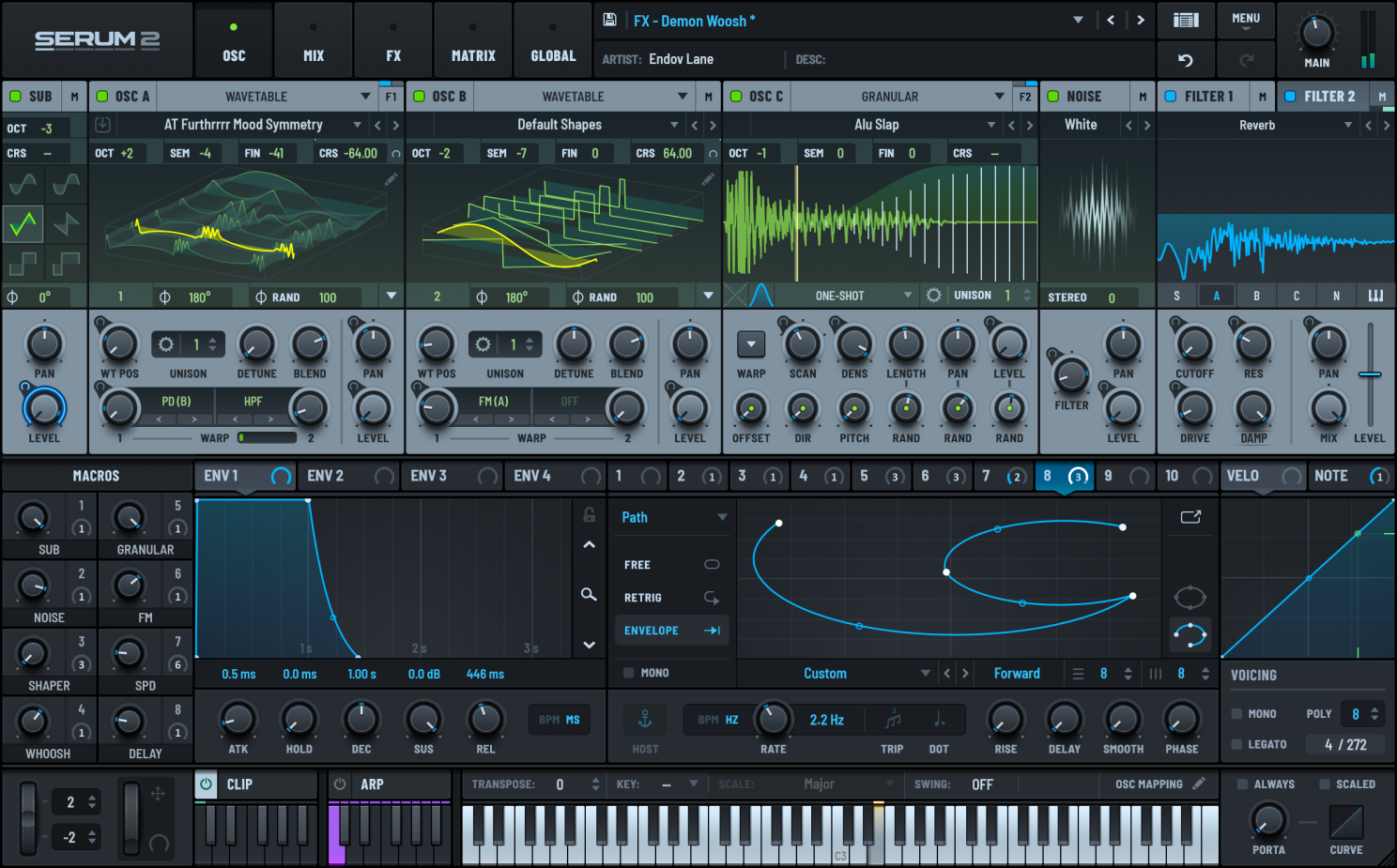
After stepping down from my role at Splice, I had the privilege of witnessing Steve's grand vision for Serum 2 unfold. The challenge was immense – sequels are notoriously difficult, especially following such a successful first act. Steve approached this by surrounding himself with brilliant minds like Dave Gamble and others, deconstructing Serum 1's foundation, and rebuilding something extraordinary.
What struck me most was Steve's unwavering commitment to craftsmanship. He could have shipped an MVP years ago, but excellence demanded more. He refined, improved, tested, and rethought his approach until every detail met his exacting standards. And remarkably, despite the enormous investment of time and resources, Steve made Serum 2 a free update for existing users – a testament to his dedication to the community that supported him.
I'm humbled to have contributed to the factory content library – an aspect of synthesizers that's often overlooked but critical to the user experience. Working alongside Steve to curate sounds that would truly showcase the instrument's capabilities was both challenging and rewarding.
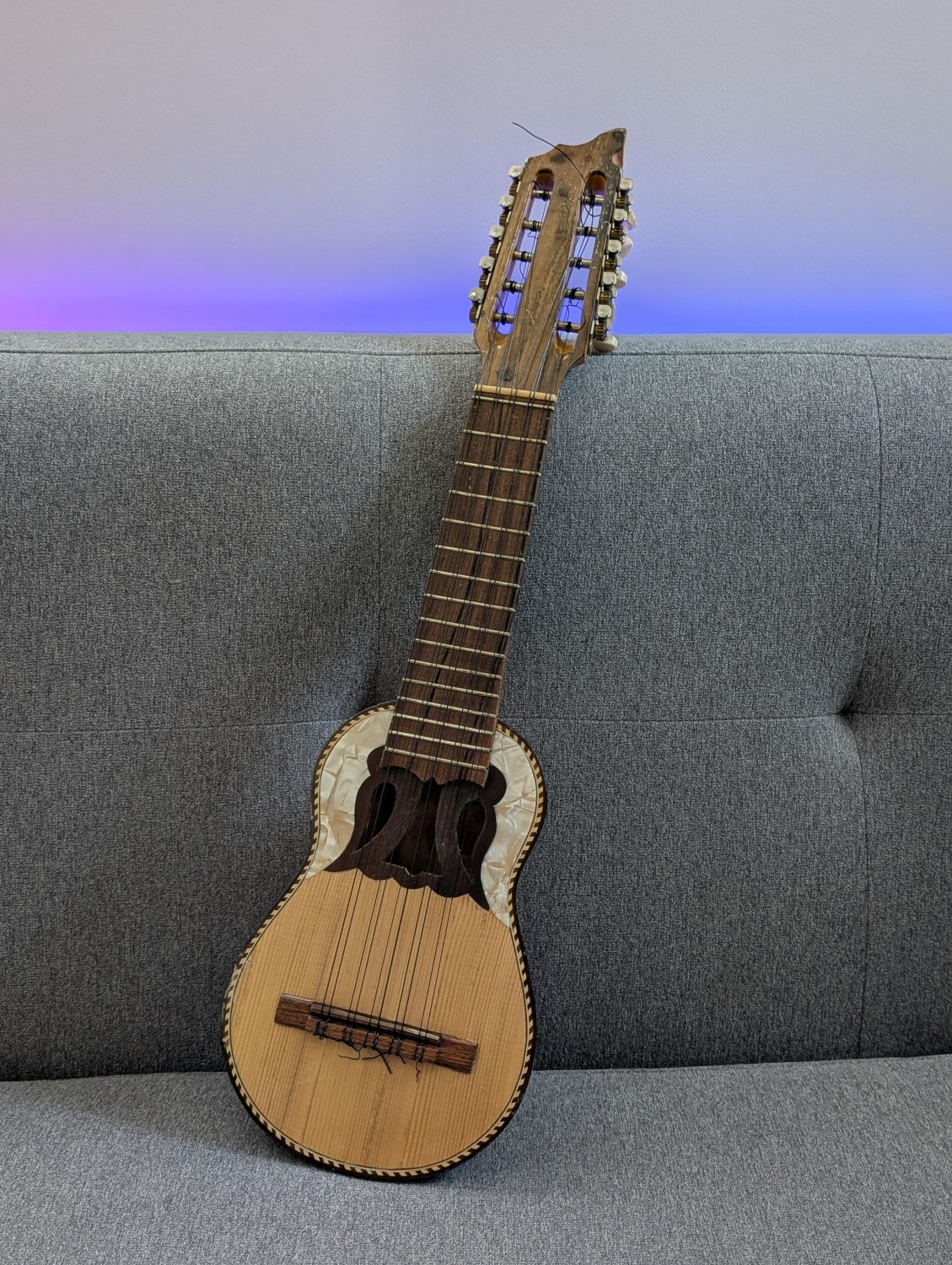
We spent months processing thousands of audio files from around the world – everything from full orchestras to New Orleans choirs, Bolivian Charangos, and Japanese Shamisen. To tackle this enormous task efficiently, I ended up writing code and developing specialized tools for batch processing, analysis, and quality control. These custom solutions automated repetitive aspects of the workflow while flagging potential issues that required human attention. It was a lot of fun!
Each multi-sample instrument required meticulous editing: removing unwanted noise, perfecting loop points, ensuring velocity layers blended seamlessly, fixing pitch inconsistencies, and optimizing file sizes without compromising quality. We would process and reprocess content through various stages – analyzing frequency content, detecting transients, normalizing levels, and preparing files for the proper format. What might seem simple – "just include some piano samples" – actually involved weeks of work selecting the right recordings, editing them for consistent playability, and ensuring they'd translate across different musical contexts.
For the preset library, we collaborated with world-class sound designers who leveraged Serum 2's expanded capabilities. What makes these presets special isn't just how they sound, but the integrated preview clips that demonstrate each preset in context – showing the optimal register, mod wheel movements, and macro control usage. These preview clips required composition, programming, and mixing to effectively showcase each sound's potential in a musical setting.
Throughout this process, we maintained a ruthless focus on quality over quantity. We discarded far more content than we kept, constantly asking: "Does this truly add value for musicians?" Our goal was creating a foundation that would serve immediate production needs while empowering sound designers to build without limitations – all while keeping the library size manageable for modern systems (about 1GB which is incredible given the variety and depth of the factory content).
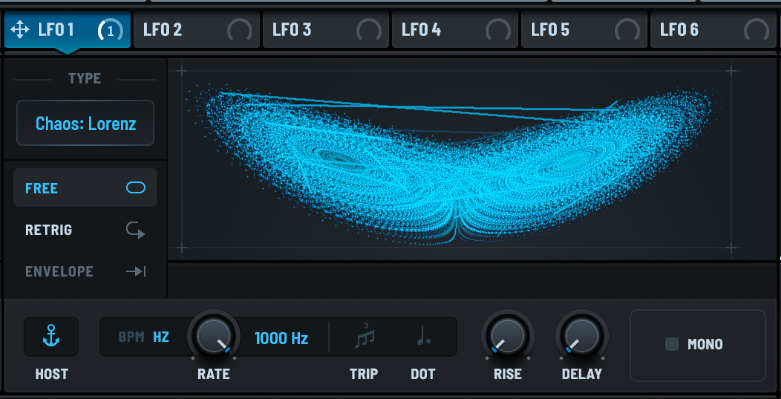
A critical objective was ensuring the preset library could rely entirely on factory content, eliminating the need for designers to embed their own samples/wavetables/Impulse Responses. We aimed to provide the majority of sounds and textures most users would need, which they could then layer and manipulate to create something truly unique. This approach not only kept preset sizes minimal but also created a consistent ecosystem where designers could focus on showcasing Serum 2's capabilities rather than working around content limitations.
The process was nerve-wracking. Coming from software engineering where updates are routine, creating content that would live with the synth forever required a different mindset. Steve's sky-high expectations pushed us all to new heights.
Looking back, this experience reinforced a valuable lesson: doing 80% isn't enough. Excellence demands pushing to that final 10-15%, where true pride in your work lives. Today, I'm immensely proud of my humble contributions to what I believe is the best-sounding synthesizer available.
As teenage Matt explored the first music production software decades ago, I never imagined I'd someday contribute to such a legendary instrument. Here's to Serum 2 continuing its predecessor's legacy for another decade and beyond.
Originally published on LinkedIn.